I got the call on a Tuesday afternoon in November 2003. I was having lunch with a friend, tucking into a burger, and some London number kept ringing. I ignored it the first time. It rang again immediately. Someone really wants to get hold of me.
The woman on the other end didn't waste time. Could I come to London on Thursday? Oh, and was I available to deploy to Iraq on Saturday?
Iraq. This Saturday.
I sat there with my burger going cold, turning that over in my head. Not much notice, I thought. But something about it pulled at me. Something compelling. I said yes before I'd fully processed what I was agreeing to.
That's the thing about this world. Decisions happen fast, and then you live with them.
Two days later I was sitting across a desk from Nick in a sleek London office block that felt utterly disconnected from reality. Calm. Quiet. Mineral water in a glass. He asked a few short, sharp questions, explained the job in plain terms: objectives, risks, the chaos on the ground. Then it was over. Handshake, out the door. Back into the London streets where everyone was just getting on with their day, oblivious. I had 48 hours to pack my gear, write my will, and get my dental records in order. Sometimes your teeth are the only thing left to identify you. Then I had to say goodbye to my family.
That part, the goodbye, was the hardest thing I've ever done. My son, Kyle was four years old. He clung to my leg at the airport. When I finally walked through security, he ran after me, screaming. Daddy, don't go. Please, Daddy. I dropped my bag and scooped him up and we both fell apart right there in the middle of the terminal. I don't care who you are or how much training you've had. Nothing prepares you for that.
I walked to that departure gate with my chest in pieces. And I still got on the plane.
People always want to know what it's really like over there.
The honest answer is: it's nothing like what you imagine, and everything like what you fear.
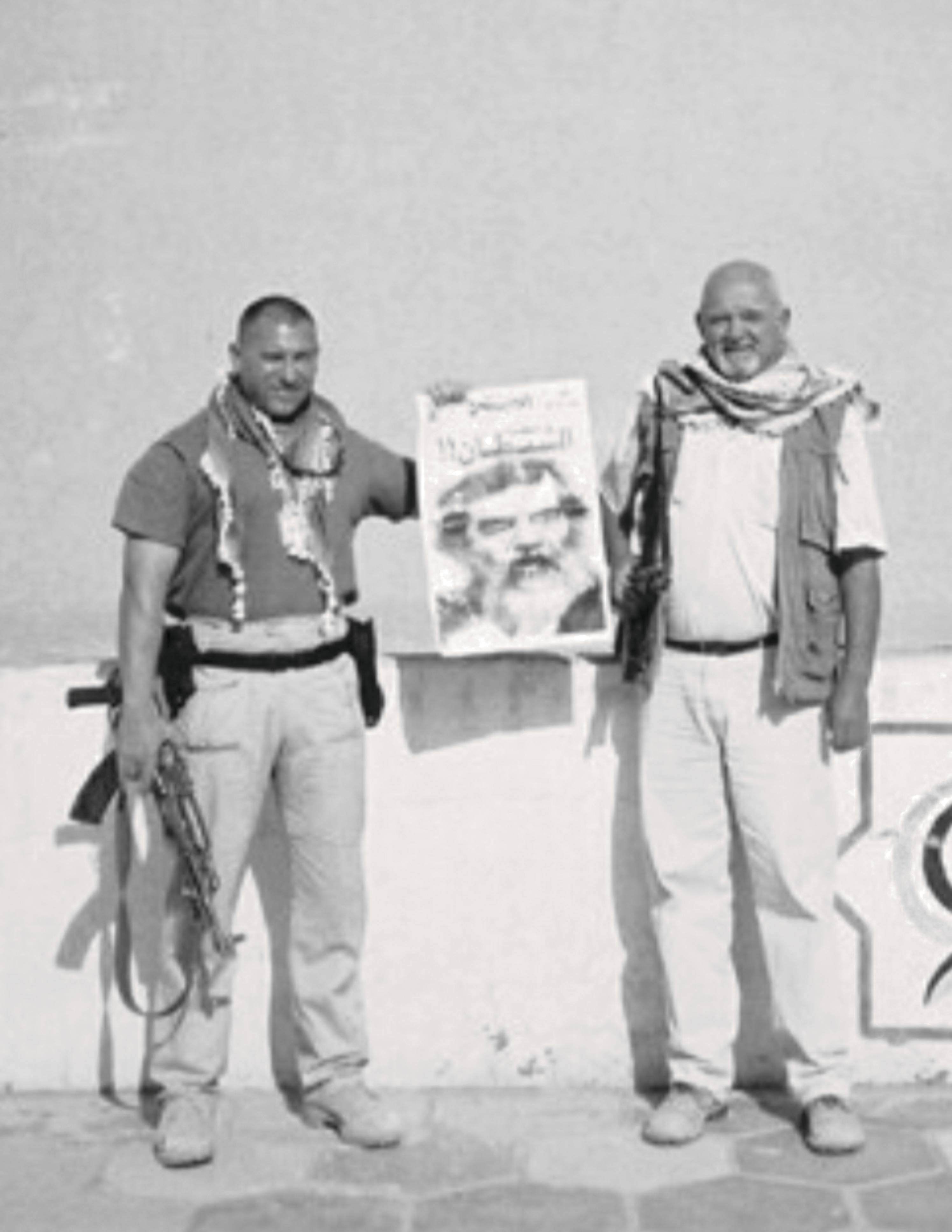
We rolled into Baghdad as the sun was coming up. I'd been awake for 26 hours straight. The city unfolded in front of us through the window of a battered 4x4 and the first thing that hit me was the destruction. Not just the odd damaged building. Everywhere. Brick houses riddled with bullet holes, others burned to the shell, skeletal frames sitting in the ash. The smell hit before anything else: burnt metal and decay, heavy, humid air that coated the back of your throat. You don't forget that smell.
We had no weapons yet. That detail doesn't sound like much until you're sitting in the back of a vehicle driving through the streets of Baghdad unarmed, watching every shadow and doorway. It's like being on a battlefield naked. You're scanning constantly: every rooftop, every corner, every car that slows down near the convoy. Your brain is running threat assessments on autopilot while the rest of you is trying to look calm for the benefit of the blokes around you.
You develop a particular kind of alertness out there. Not paranoia, something more disciplined than that. Every journey on the road is a calculation. You're reading traffic patterns, watching for vehicles that have been parked too long, looking for anything that doesn't fit. The Baghdad Run, the route from the airport into the city, was notorious. Twelve kilometers of exposed road where anything could happen. You learned quickly that IEDs didn't announce themselves. You just had to keep your eyes open and your reactions sharp, and accept that some things were simply out of your hands.
A bomb doesn't care how experienced you are or how well-prepared. That knowledge lives with you, quietly, in the background of everything you do.
The random nature of it is what gets to you.
People also ask whether you get used to it. Yes, and no.
You get used to the conditions: the heat, the dust, the broken sleep, the food that's barely worth calling food. You get used to operating in a state of constant vigilance. You even get used to the sound of gunfire, to the point where you're assessing it rather than reacting to it. What caliber? How far? Incoming or outgoing? It becomes instinct.
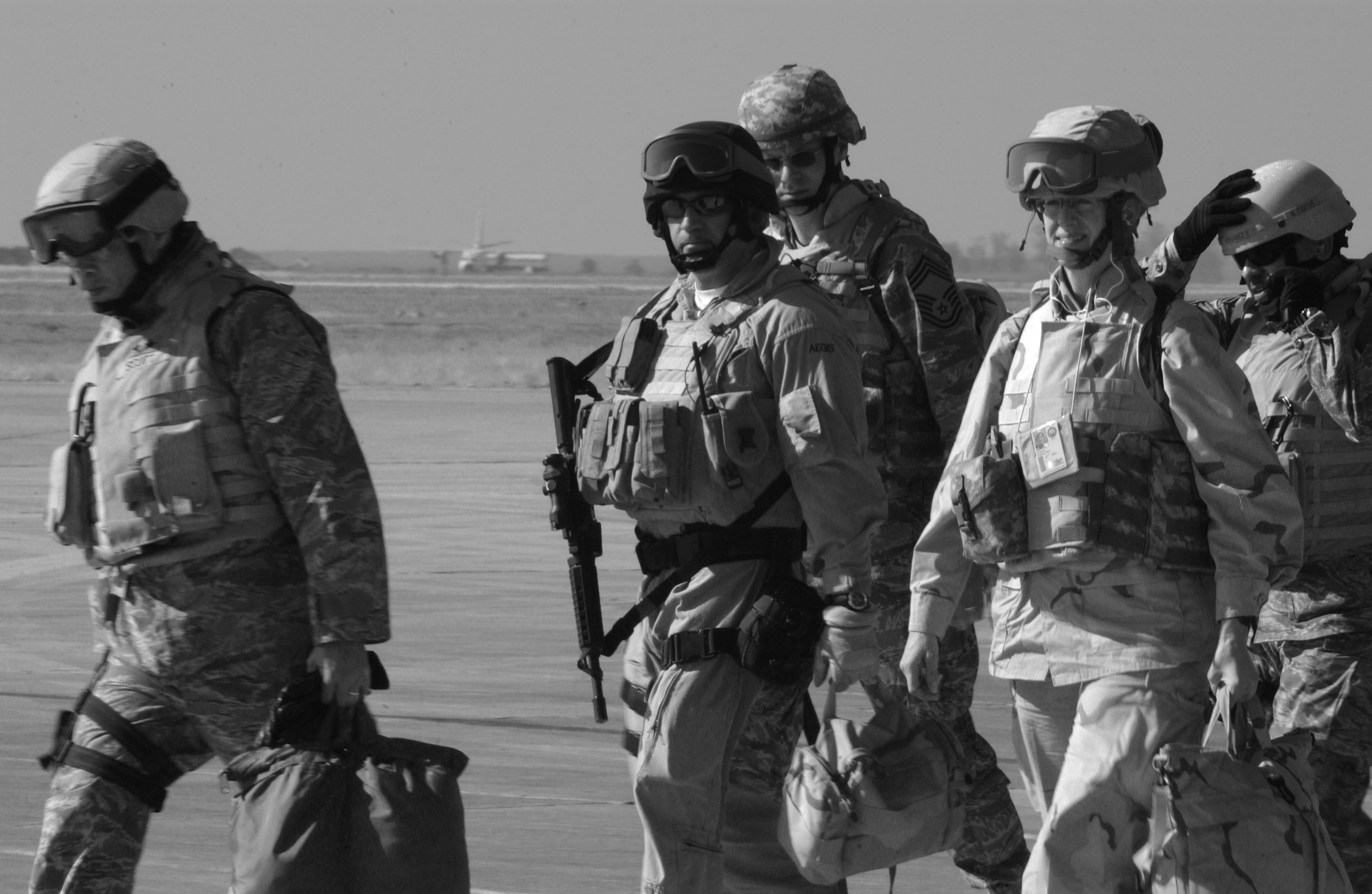
What you don't get used to is loss. You can't. And over the years I spent in Iraq and Afghanistan, I lost more colleagues than I can easily count. Twenty-six names appear in the dedication of my book. Twenty-six men I worked alongside, trusted with my life, laughed with, argued with. Twenty-six men who didn't come home.
That's the part of this world that nobody really talks about. The contracts, the money, the missions, that's the surface layer. Underneath it is a community of people bound by something that's almost impossible to explain to anyone who hasn't lived it. You trust each other in a way that has no civilian equivalent. When everything can change in a second, the bloke next to you becomes everything.
Losing those men doesn't go away. It changes shape over time but it doesn't go away.
There's a question I get asked a lot: Was it worth it?
I understand why people ask. From the outside, the choice to walk into a war zone voluntarily, to leave your family, to live under constant threat, to watch colleagues die, must look difficult to justify. And I won't pretend there weren't moments, dark ones, where I asked myself the same thing.
But the honest answer is complicated. It was the hardest thing I've ever done, and some of the worst experiences of my life happened in those years. I came back carrying things that took a long time to process, things I write about in The Silent War because I think they deserve to be said out loud. The PTSD. The addiction. The slow, difficult work of rebuilding.
But those years also shaped me completely. I worked alongside some of the finest people I've ever known. I was part of something that mattered. I found out who I was under pressure, and I found out I could survive.
That counts for something.
Read the full story
The Silent War: A Private Military Contractor's Memoir from Edinburgh to Baghdad by Scott White is published by Pen & Sword Books on 28 June 2026. Featuring a foreword by Colin Maclachlan (SAS: Who Dares Wins) and an endorsement from Tim Spicer OBE, CEO of Aegis. Available now to pre-order, priced £25.
Pre-Order from Pen & Sword